
Procedure Guide · August 1, 2026 · 5 min · By Zofia Cardenas
Why the Nasal Tip Is the Last Part to Settle After Rhinoplasty
Supratip swelling, thick skin, and the slow biology of scar remodeling explain why surgeons ask patients to wait a full year before judging their result.
Ask any rhinoplasty surgeon what question they hear most in the first six months after surgery and the answer is usually some version of this: why does my tip still look puffy when the rest of my nose looks done? The bridge often refines within weeks. The tip can take a year, sometimes longer. This is not a complication. It is predictable biology, and understanding the mechanism helps patients avoid unnecessary anxiety and unnecessary revision consultations.
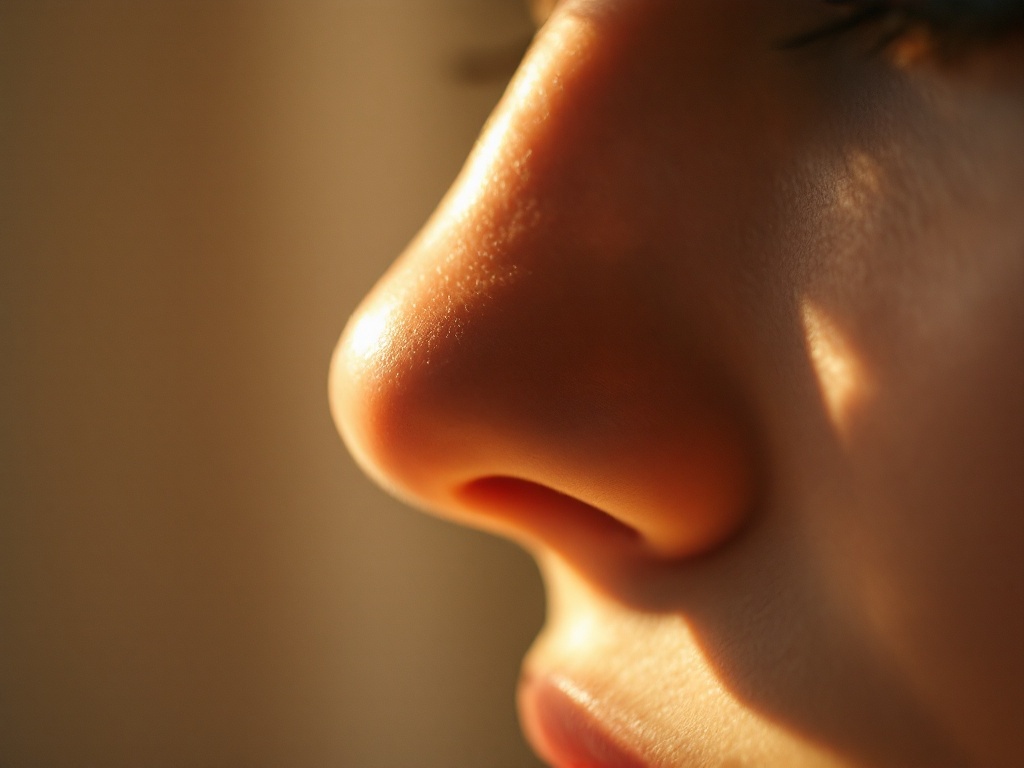
The skin over the tip is different tissue. The skin along the upper third of the nose is relatively thin and sits close to the underlying bone. Over the lower third, the skin thickens considerably and contains more sebaceous glands, more fibrofatty tissue, and a denser network of lymphatic channels. When a surgeon operates, that lymphatic drainage is temporarily disrupted. Fluid that would normally clear through those channels pools in the soft tissue envelope, and the thickest part of that envelope sits directly over the tip and the area just above it, called the supratip.
Gravity and anatomy work against fast drainage. Lymphatic fluid from the nose drains upward and laterally toward the cheeks before reaching lymph nodes. The tip is the farthest point from those drainage pathways, which makes it the last region to decongest. This is the same reason surgeons often recommend sleeping with the head elevated in the early weeks: it reduces hydrostatic pressure and gives the sluggish lymphatics less work to do.
Scar remodeling runs on a slow clock. Beneath the skin, the body responds to surgery by laying down collagen. Early collagen, mostly type III, is disorganized and bulky. Over months, the body remodels it into denser, better organized type I collagen, and the tissue gradually contracts and thins. This remodeling phase does not finish at six weeks or even six months. Histologically, scar maturation continues for twelve to eighteen months. What patients perceive as the tip slowly sharpening is largely this remodeling process pulling the skin envelope down onto the new cartilage framework underneath.
Open versus closed approach changes the timeline. In an open rhinoplasty, the surgeon makes a small incision across the columella and lifts the skin off the tip cartilages entirely. This gives excellent visibility but divides more lymphatic channels, so tip swelling typically lasts longer than with a closed, or endonasal, approach where incisions stay inside the nostrils. Neither approach is universally better. Complex tip work often justifies the open approach despite the slower settling, while simpler structural changes may be well served by a closed technique. Patients comparing their recovery to a friend's should know which approach was used before drawing conclusions.
Skin thickness is the biggest individual variable. Patients with thick, sebaceous skin, which is more common in some ethnic backgrounds, hold edema longer and may not see their final tip definition until eighteen months or beyond. Patients with very thin skin see definition sooner but face a different tradeoff: thin skin reveals every small irregularity in the cartilage underneath, so the surgeon must be more precise with grafts and suture work.
What surgeons actually do about prolonged tip swelling. The first-line tools are conservative. Taping the supratip at night in the early months can apply gentle pressure that discourages fluid accumulation and dead space. Some surgeons use dilute steroid injections into the supratip if firm swelling persists past three to four months, because corticosteroids suppress the fibroblast activity that can otherwise build excess scar in that pocket. This is a judgment call: too much steroid can thin the skin or cause depressions, so it is used sparingly and in low concentration. Manual lymphatic massage is sometimes recommended, though evidence for it in rhinoplasty specifically is limited and it should only be done with the surgeon's approval.
When puffiness is not just swelling. There is one scenario worth distinguishing. If the supratip remains persistently full and rounded well past a year, and the fullness feels firm rather than doughy, the cause may be a pollybeak deformity: either excess scar tissue in the supratip or a structural issue where the cartilage above the tip was left too high relative to the tip itself. Scar-driven pollybeak sometimes responds to steroid injection. Structural pollybeak requires revision. This is precisely why surgeons hold the line on the twelve month rule. Revising a nose that is still swollen means operating on a moving target.
The practical takeaway. Expect the upper two thirds of the nose to look close to final within two to three months. Expect the tip to lag by many months, with subtle refinement continuing past the one year mark, especially with thick skin or an open approach. Photograph your nose monthly in consistent lighting rather than checking the mirror daily. The month-over-month comparison shows real progress that daily inspection hides, and it gives your surgeon useful documentation at follow-up visits.
Related reading: Why the Nasal Tip Is the Last Part to Settle After Rhinoplasty.
More in Explainer
View all →- Preservation vs. Structural Rhinoplasty: What Actually Differs Under the Skin
- Why Your Nasal Tip Is the Last Thing to Shrink After Rhinoplasty
- Septum, Ear, or Rib: How Surgeons Choose Cartilage Grafts in Rhinoplasty
- The Internal Nasal Valve: Why Some Noses Breathe Worse After Rhinoplasty, and How Spreader Grafts Prevent It