
Recovery · July 15, 2026 · 5 min · By Gideon Maravilla
Why the Nasal Tip Is the Last Thing to Heal After Rhinoplasty
Most swelling fades in weeks, but the tip can stay puffy for a year or longer. The reason is anatomy, not a surgical mistake. Here is the mechanism, the realistic timeline, and what actually helps.
Ask almost any rhinoplasty patient at the six month mark what bothers them, and the answer is usually the same: the bridge looks done, but the tip still feels thick, round, or slightly numb. This is one of the most common sources of postoperative anxiety, and it is also one of the most predictable parts of healing. The tip is not slower to heal because something went wrong. It is slower because of how the nose is built.
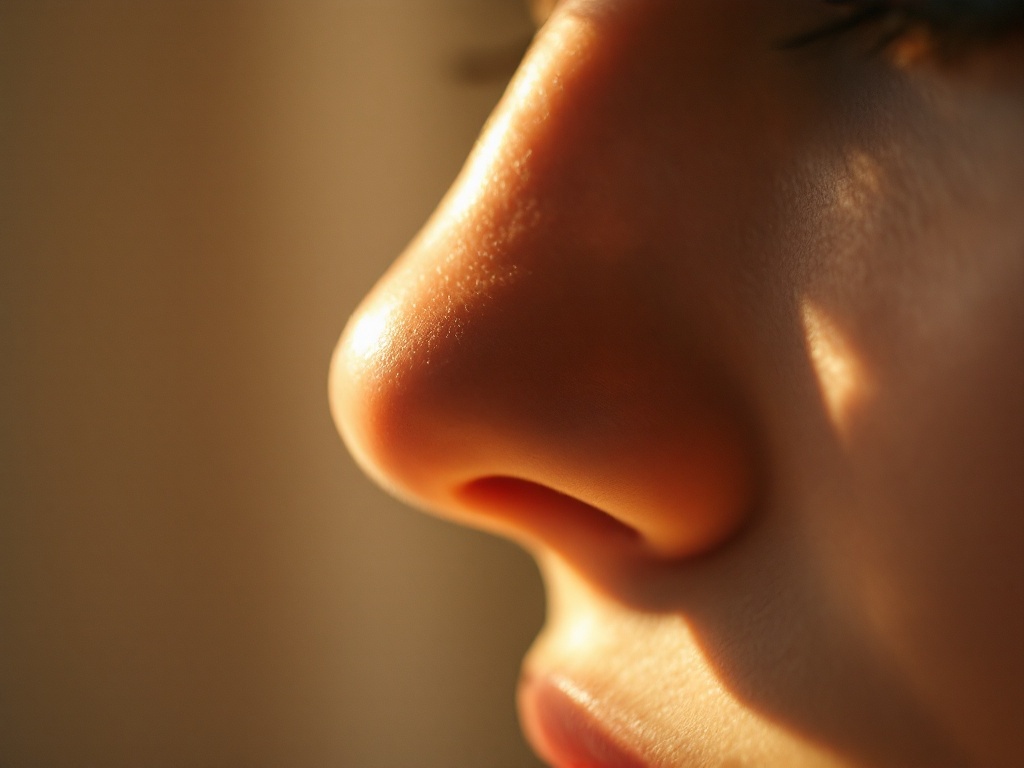
The anatomy behind the delay. The upper third of the nose is bone covered by thin skin. The middle third is cartilage under slightly thicker skin. The lower third, the tip, is a framework of paired lower lateral cartilages covered by the thickest skin on the nose, dense with sebaceous glands, fibrofatty tissue, and a fine web of lymphatic channels. Swelling after surgery is essentially fluid trapped in tissue, and fluid clears through lymphatics. Surgery temporarily disrupts those channels, and the tip sits at the lowest point of the lymphatic drainage pathway of the nose. Gravity works against it, the skin envelope holds more fluid per square centimeter, and the disrupted vessels take months to reroute. The result is that edema drains from the top of the nose downward, which is why the bridge refines first and the tip refines last.
A realistic timeline. Numbers vary by technique and skin type, but surgeons broadly agree on the pattern. In the first two weeks, roughly 60 to 70 percent of visible swelling resolves. This is the dramatic phase, when the cast comes off and the nose looks presentable in photos. From one to three months, the bridge and sidewalls settle. From three to twelve months, the tip slowly deflates, often in an uneven, week to week rhythm where mornings look puffier than evenings. For thick skinned patients, and for revision cases where scar tissue from a prior surgery has already altered lymphatic drainage, meaningful tip refinement can continue to 18 or even 24 months. Open rhinoplasty, which involves a small columellar incision and lifting the skin off the tip framework, tends to produce more prolonged tip edema than closed approaches, because more lymphatic channels are divided. That does not make open surgery worse. It gives the surgeon direct visibility for complex tip work. It simply changes the recovery curve.
Why the tip feels numb or stiff. Sensory nerves to the tip, particularly branches of the anterior ethmoidal nerve, are stretched or divided during dissection. They regenerate slowly, at roughly a millimeter a day. Patients often describe a wooden or rubbery sensation when touching the tip for six months or more. This is expected and nearly always resolves. Stiffness comes from a different mechanism: healing tissue lays down collagen, and early scar is firm before it remodels and softens over the following year.
What actually helps, and what does not. Sleeping with the head elevated for the first several weeks reduces overnight fluid pooling, which is a real mechanical effect, not folklore. Limiting sodium in the early weeks modestly reduces fluid retention. Avoiding heavy exertion for the period your surgeon specifies matters because elevated blood pressure pushes more fluid into healing tissue. Some surgeons use dilute steroid injections into the supratip region for stubborn swelling or early scar thickening between roughly three and nine months. This is a targeted clinical decision with real tradeoffs, since overuse can thin tissue, so it belongs in follow up visits, not self directed care. What does not help: aggressive massage without surgeon guidance, herbal supplements marketed as swelling cures, and compulsive daily photographs, which amplify anxiety while measuring changes too small to see day to day. Monthly photos in consistent lighting are far more informative.
The supratip caveat. One specific pattern deserves mention. If fullness sits just above the tip and persists or worsens after a year, it may be a pollybeak deformity, caused either by scar buildup in the supratip or by residual cartilage. Persistent asymmetric swelling on one side beyond a year also warrants evaluation. These are the exceptions where a follow up appointment is genuinely indicated rather than more patience.
The bottom line. A puffy tip at six months is not a failed rhinoplasty. It is the normal endpoint of a drainage system that heals from the top down, under the thickest skin on the nose. The honest framing most surgeons give is this: judge the bridge at three months, judge the tip at twelve, and if you have thick skin or a revision, give it longer still. Patience here is not a platitude. It is a description of lymphatic physiology doing its work on its own schedule.
Related reading: Why the Nasal Tip Is the Last Part to Look Finished After Rhinoplasty and Tip Plasty: Reshaping the Nasal Tip in Rhinoplasty Surgery.