
Recovery · July 8, 2026 · 6 min · By Halima Strand
Sleeping After Rhinoplasty: Positions, Timelines, and Protecting the Result
Back-sleeping feels like the hardest instruction on the aftercare sheet. Why it matters, how long it really lasts, and the tricks that make it bearable.
Of every line on the rhinoplasty aftercare sheet, "sleep on your back with your head elevated" is the one patients report struggling with most. It sounds trivial next to splints and swelling, and it is anything but. Sleep position is one of the few recovery variables entirely in your control, and for the first weeks it has a direct line to how the nose settles.
The reasoning is mechanical. In the first two to three weeks the nasal bones and grafts are held by healing tissue, not strength. Pressure from a pillow, a rolling shoulder, or a partner's stray elbow can shift what the surgeon aligned, and side-sleeping also pools more fluid in the dependent side of the face, which is why side-sleepers often wake with lopsided swelling that takes hours to even out. Elevation, usually two pillows or a wedge, drains fluid away from the nose and measurably reduces morning congestion and puffiness.
How long it actually lasts
Most surgeons ask for strict back-sleeping with elevation for two to four weeks, then relax it as the bones knit. By six weeks casual contact stops being a structural threat for most patients, though many keep the wedge longer simply because they wake less congested. If you had extensive grafting or a revision, expect the conservative end of those ranges and follow your own surgeon's timeline over anything you read, including this.
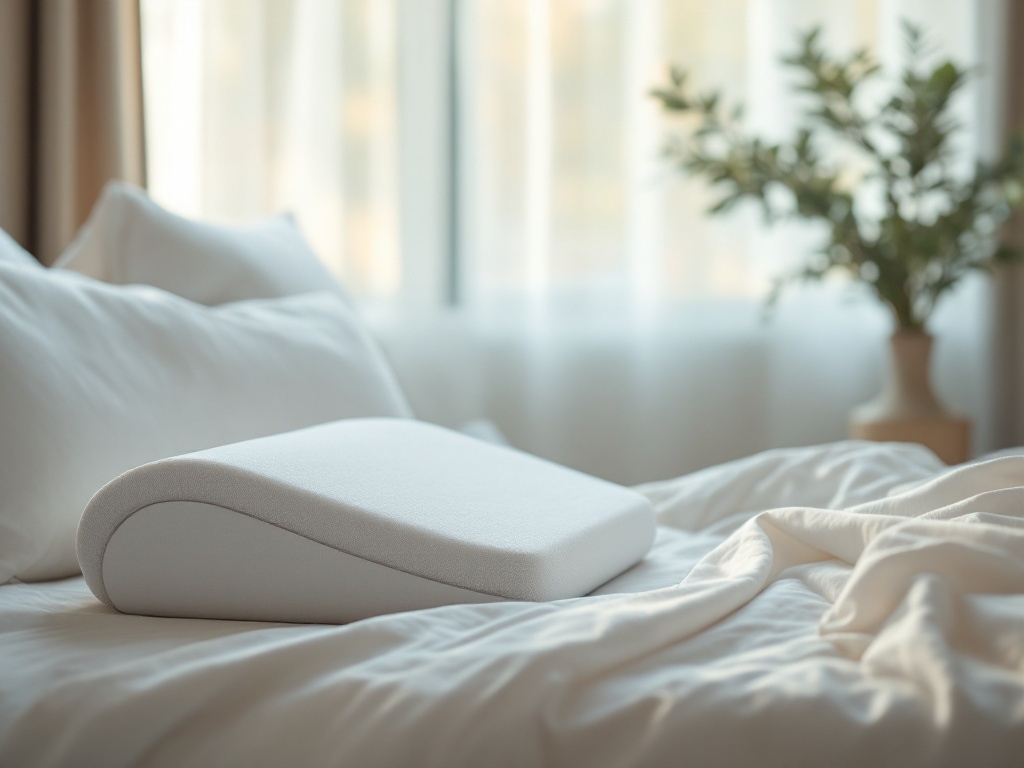
The practical tricks are simple. A wedge pillow or an adjustable base beats a pillow stack that collapses by 3 a.m. A travel neck pillow keeps the head from rolling. Side-sleepers retrain fastest by placing a firm pillow along each side of the torso, and light sleepers sometimes book a recliner for the first week. None of this is elegant, and all of it is temporary.
What you are protecting is the quiet period where swelling resolves on its own schedule and the bridge you paid for stays where it was set. Four weeks of disciplined sleep is a small tax on a result meant to last decades.
Related reading: What happens if you bump your nose after rhinoplasty.