
Rhinoplasty News · January 3, 2026 · 7 min · By Halima Strand
Advances in rhinoplasty: preservation and structure techniques
Preservation rhinoplasty and ultrasonic tools are changing the operation.
Rhinoplasty technique has evolved meaningfully in recent years, with two trends standing out. Preservation rhinoplasty aims to keep more of the nose's natural structure, particularly when lowering a dorsal hump, by repositioning rather than removing tissue, which can yield more natural results and, in suitable cases, smoother recoveries. It is not right for every nose, but it has expanded the surgeon's toolkit.
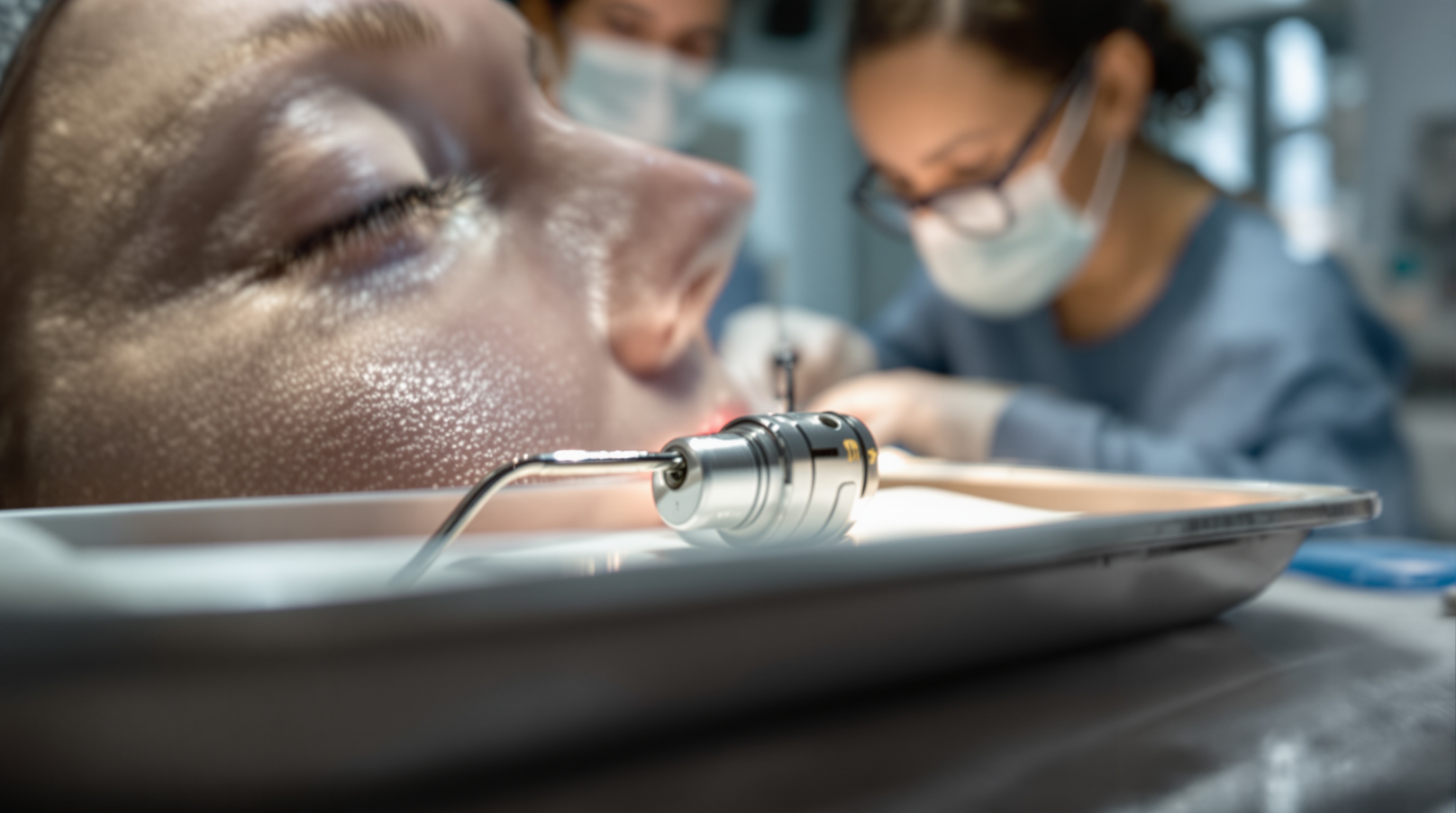
The second is ultrasonic rhinoplasty, which uses ultrasonic instruments to sculpt nasal bone precisely while sparing surrounding soft tissue, potentially reducing bruising and shortening the visible recovery. Alongside these, structural grafting techniques have become more refined, helping surgeons build durable support and definition, especially in thick-skinned or revision cases.
These advances do not replace surgical judgment; the right technique still depends on the individual nose, and an experienced surgeon selects among them rather than applying one universally. Practices that follow the field closely tend to offer a range of approaches. For patients, the takeaway is to choose a surgeon current with modern techniques and to ask which they recommend for your nose and why, rather than assuming the newest method is automatically best for you.
Related reading: Preservation vs Structural Rhinoplasty: How Surgeons Choose Between Two Fundamentally Different Philosophies.
Further reading: Shaping the Future of Nasal Surgery: A Systematic Review of Preservation Rhinoplasty (Aesthetic Plast Surg 2026); Expanding Indications to Dorsal Preservation Rhinoplasty (Facial Plast Surg Clin North Am 2025); Recent evidence of advanced preservation rhinoplasty (Curr Opin Otolaryngol Head Neck Surg 2023).