
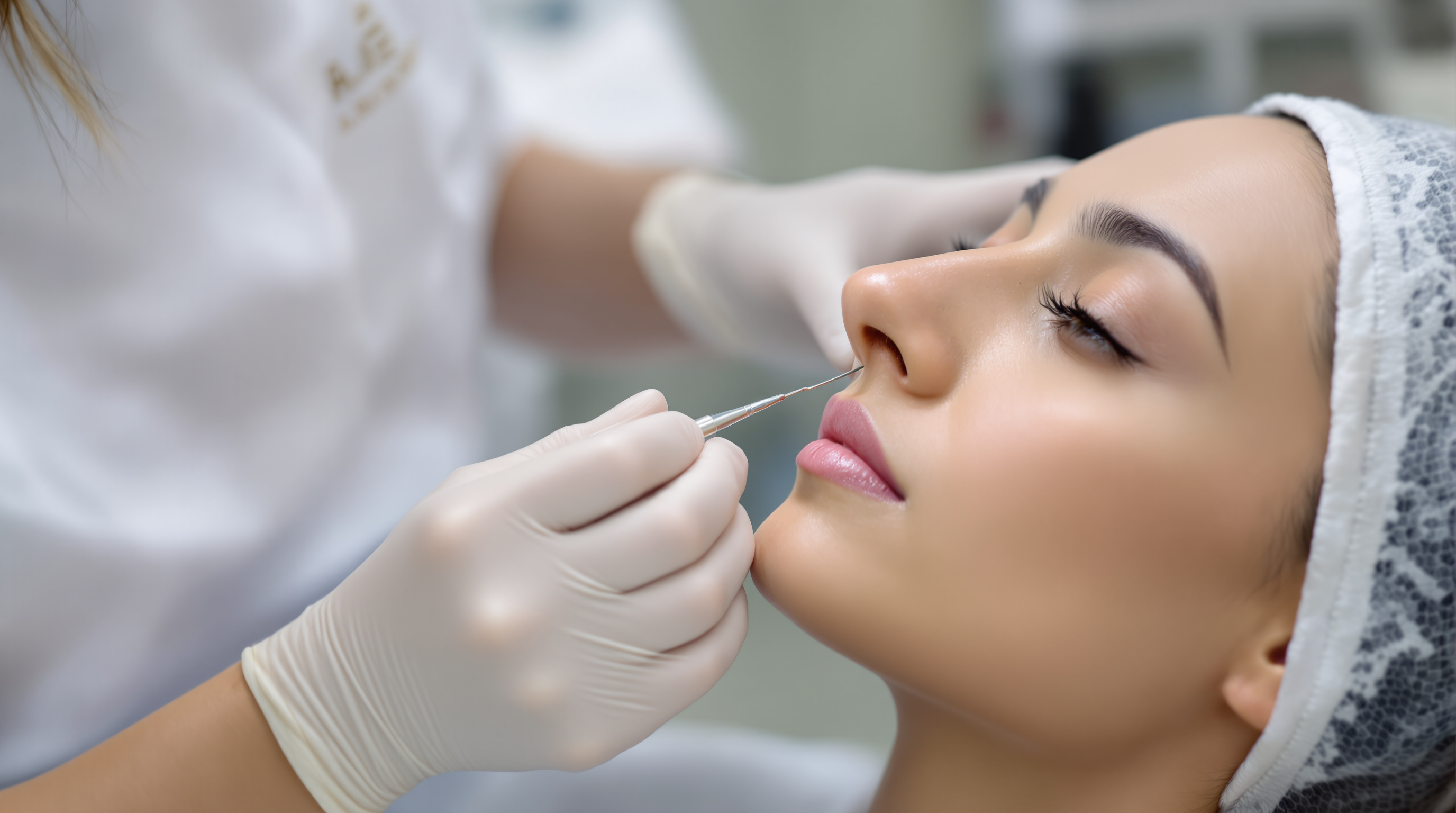
Revision & Risks · December 31, 2025 · 6 min · By Gideon Maravilla
Correcting an Over Rotated Nose: Revision Rhinoplasty Strategies
How surgeons address excessive nasal tip rotation in revision cases.
An over rotated nose represents one of the most common cosmetic complaints after primary rhinoplasty, yet it remains challenging to prevent and requires careful technical judgment to correct. When the nasal tip points upward beyond the patient's original anatomy or desired aesthetic, the nose takes on a shortened appearance, often exposing excessive nostril show and disrupting the profile balance. Revision surgery to address this deformity demands a fundamentally different approach than primary correction.
The anatomy underlying tip rotation involves the relationship between the tip-defining points, the domal architecture, and the supporting structures beneath the nasal skin. During primary rhinoplasty, surgeons intentionally rotate the tip in many cases to achieve desired proportions. However, aggressive rotation, combined with aggressive reduction of dorsal height or removal of structural support, can leave the tip in an unstable, overcorrected position. Some cases result from overzealous dome binding, dorsal reduction without adequate tip support, or excessive cephalic trim of the lateral crura that removed key structural elements.
Revision correction requires restoring length and reducing rotation simultaneously, which often means grafting and structural reinforcement rather than further reduction. Many surgeons employ cartilage grafts, often from septal sources in revision cases where rib has not been previously harvested, or rib cartilage rhinoplasty when septal cartilage is exhausted or inadequate. Spreader grafts, caudal extension grafts, and tip reinforcement grafts can all play roles in reestablishing structural support and allowing the tip to settle into a lower, more natural position.
One critical concept in revision management involves understanding that rhinoplasty tip rotation is a composite result of multiple anatomical parameters. The angle between the nasal dorsum and the lip, the projection of the tip relative to the alar base, the length of the nose, and the amount of nostril show all interact. A surgeon cannot simply "derotate" the tip by cutting or pinning it downward; doing so risks creating a long, unstable tip or worsening the structural deficit that allowed overcorrection in the first place. Instead, revision requires rebuilding.
The revision approach typically begins with careful open rhinoplasty technique, allowing direct visualization of existing scar tissue, graft sites from the prior surgery, and remaining cartilage architecture. Scar tissue along the tip and dome often requires lysis and removal to allow the structures to settle naturally. If prior grafts were placed, they may need to be carefully inspected or partially removed. The surgeon must then assess what structural elements remain and what must be added back.
Common techniques include placement of a tip-defining graft or shield graft to reinforce the dome without rotating the tip further, combined with a caudal extension graft that lengthens the caudal septum and allows the tip to assume a lower position. Some surgeons prefer a structural columellar strut graft that anchors the tip caudally and prevents unwanted rotation. The choice depends on the degree of overcorrection, the remaining cartilage availability, and the patient's other anatomical features.
Timing of revision surgery is important. Most surgeons recommend waiting 12 to 24 months after primary rhinoplasty before attempting revision to allow scar tissue to mature and the nose to settle into its final state. Attempting revision too early risks operating through fresh scar and may produce unpredictable results.
Costs for revision rhinoplasty to correct an over rotated nose typically range from 8,000 to 18,000 dollars, depending on the complexity, surgeon experience, and geographic location. Revision cases generally cost more than primary surgery due to the additional operative time required to address scar tissue and the technical complexity of restoration rather than reshaping.
Patients seeking revision for an over rotated nose should understand that correction requires adding structural support, not simply removing more tissue. Before and after photographs that show lengthened nasal profile and reduced nostril show can help set appropriate expectations. Clear communication with the revision surgeon about the specific concerns with the prior result is essential for achieving a balanced, natural appearance.
More in Field Notes
View all →- The nasal cycle: why the blocked side switches, and the two week log that settles it
- A Three Part At Home Test for Where Your Nose Is Actually Blocked
- Nasal Taping After Rhinoplasty: What the Ritual Does and Does Not Do
- Alar Retraction: Why Nostril Rims Pull Up After Rhinoplasty and How It Is Corrected