
Before You Decide · March 6, 2026 · 6 min · By Gideon Maravilla
Virtual Rhinoplasty Consultation: Remote Assessment and Digital Planning
Virtual rhinoplasty consultation enables surgeons to evaluate candidates and discuss options through telehealth platforms.
The virtual rhinoplasty consultation has emerged as a practical clinical tool, expanding access to surgical evaluation while introducing distinct limitations that require transparent management. A virtual rhinoplasty consultation allows prospective patients to meet with surgeons via video conferencing to discuss nasal anatomy, aesthetic goals, and surgical feasibility without traveling to the surgeon's office. This modality became widespread during pandemic-related restrictions but has persisted because it offers genuine utility alongside unavoidable constraints.
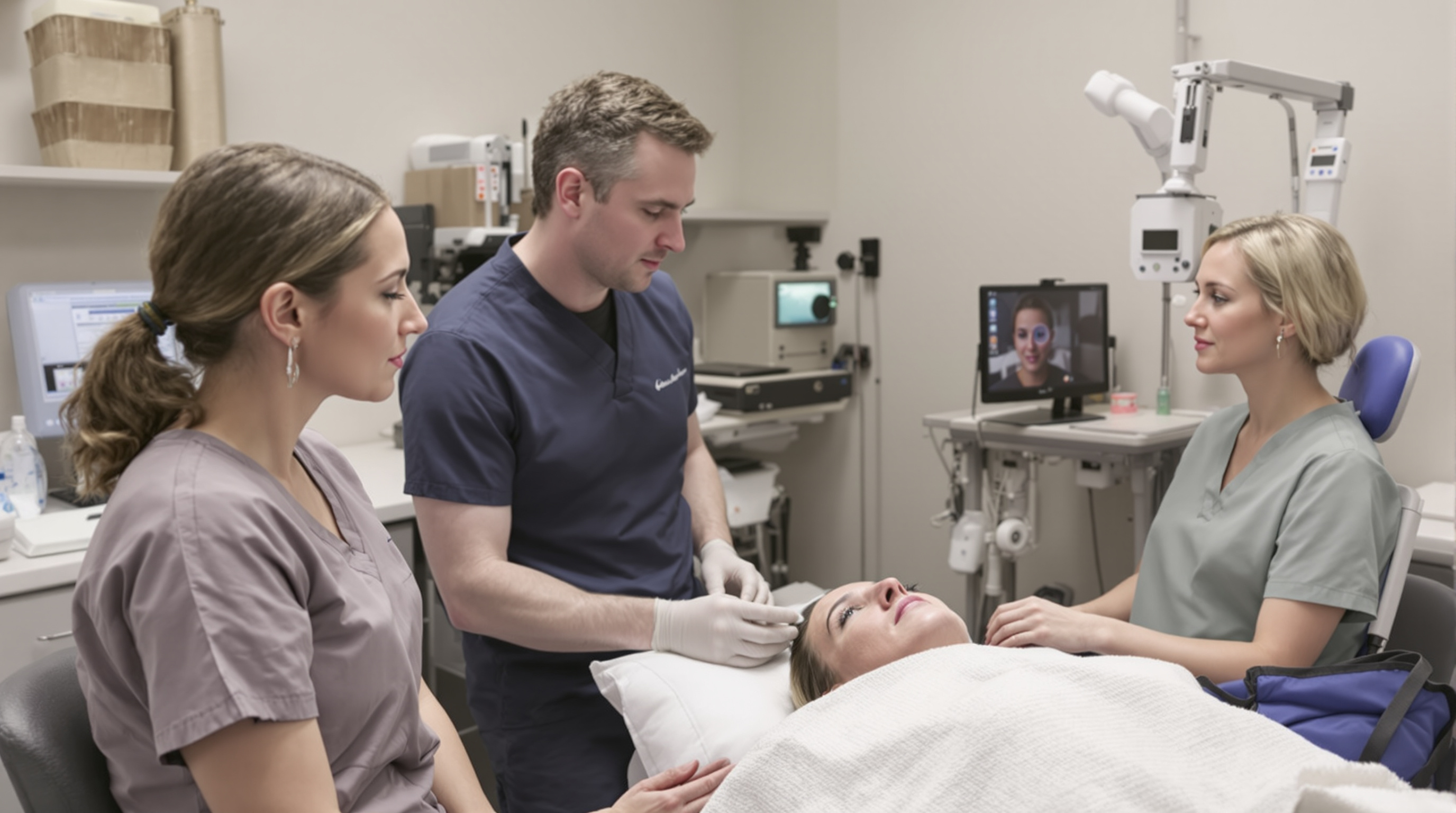
The technical requirements for a virtual rhinoplasty consultation are modest. A surgeon needs a HIPAA-compliant video platform, adequate lighting, and camera positioning that permits viewing of the patient's full face and profile. The patient should be in a well-lit space with a plain background and access to a device with functional audio and video capability. Some surgeons request that patients provide front-facing and lateral photographs during the video session for reference and documentation. The consultation typically lasts 20 to 45 minutes, depending on complexity and the surgeon's practice model.
When properly structured, virtual consultations accomplish genuine clinical work. A surgeon can assess nasal deviation, identify asymmetry, evaluate skin thickness by observation, and discuss breathing dysfunction alongside aesthetic concerns. Rhinoplasty consultation imaging tools that include 3D renderings can be screen-shared during the video call, allowing the surgeon to walk the patient through proposed modifications in real time. This synchronous review of digital models addresses one of the virtual format's major limitations: the inability to physically examine the patient's nasal support, internal structures, and dynamic movement.
The physical examination remains constrained in virtual settings. A surgeon cannot palpate nasal bones, assess cartilage consistency or mobility, perform diagnostic maneuvers like the cottle test for internal valve collapse, or evaluate how the nose moves during animation. These tactile and dynamic assessments inform surgical decision-making, particularly in revision cases or when breathing dysfunction is the primary concern. A patient with subtle internal valve collapse or septal deviation may describe symptoms accurately, but the surgeon cannot directly confirm the anatomical basis during a virtual visit.
Virtual consultations work best for initial candidate screening and aesthetic discussion. A patient seeking rhinoplasty primarily for aesthetic refinement and without significant breathing complaints can often be adequately assessed remotely. Candidates with functional concerns, prior nasal surgery, or complex anatomy typically require an in-person examination before the surgeon can formulate a detailed surgical plan. Many experienced surgeons use virtual consultations as a preliminary step, followed by an in-person evaluation before any surgical commitment.
Cost advantages exist but are modest. A virtual consultation may charge 150 to 400 dollars, compared to 250 to 600 dollars for in-person consultations. Patients avoid travel expenses and time away from work, which can be significant if they live far from the surgeon's office. For prospective patients in geographic regions with limited rhinoplasty expertise, virtual access to experienced surgeons may justify the limitations of remote assessment.
The informed consent and expectation-setting challenge intensifies in virtual formats. Surgeons cannot rely on the emotional and tactile presence of the in-person encounter to convey the complexity of rhinoplasty or the reality of recovery. A patient may consent verbally during a virtual call but experience shock during in-person preoperative assessment when they see surgical site marking or meet the surgical team. Many surgeons require at least one in-person preoperative visit before surgery, even if the initial consultation occurred virtually.
When a patient asks relevant rhinoplasty consultation questions during a virtual call, the surgeon can address them thoroughly using screen-shared images and rendering tools. Questions about breathing, aesthetic goals, recovery timeline, and revision rates can all be discussed effectively. However, the surgeon should explicitly state what cannot be fully assessed remotely and recommend in-person examination if clinical uncertainty exists.
Protocol matters for virtual rhinoplasty consultations to function safely. Documentation must be thorough, including the date, duration, and specific items addressed. If the surgeon identifies that in-person examination is necessary before proceeding, this should be clearly communicated and documented. Insurance and liability considerations vary by jurisdiction, and surgeons should verify their malpractice coverage includes telemedicine consultations.
The future trajectory suggests virtual consultations will remain a component of rhinoplasty practice, particularly for initial evaluation and patients traveling internationally. The modality functions best when surgeons understand its genuine boundaries and do not attempt to provide the precision of in-person assessment through a screen.
More in Field Notes
View all →- The nasal cycle: why the blocked side switches, and the two week log that settles it
- A Three Part At Home Test for Where Your Nose Is Actually Blocked
- Nasal Taping After Rhinoplasty: What the Ritual Does and Does Not Do
- Alar Retraction: Why Nostril Rims Pull Up After Rhinoplasty and How It Is Corrected